The Limousin Story
Breed Origin
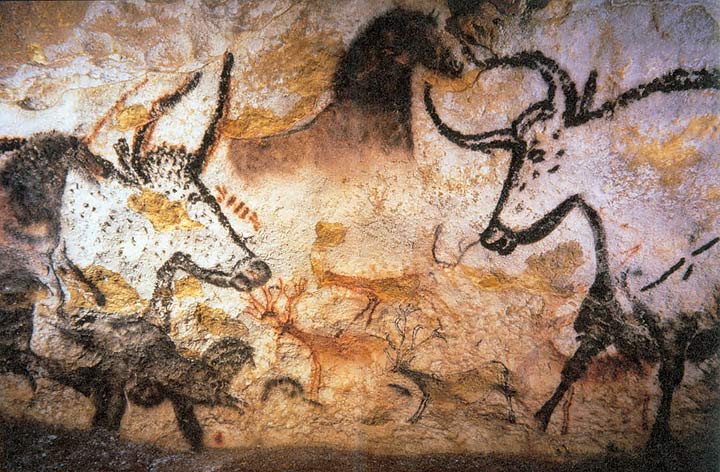
Limousin originated in the high, rocky Aquitaine region of France. Cattle found in cave drawings estimated to be 20,000 years old in the Lascaux Cave near Montignac, France, have a striking resemblance to today's Limousin.
The breed was developed in the central France regions of Limousin and Marche, where the rugged terrain with rocky soil and a hard climate made growing field crops difficult, so emphasis was placed on animal agriculture. These conditions led to the development of cattle with exceptional sturdiness, health, and adaptability.
For centuries the area was isolated from the rest of Europe by political strife. As a result Limousin cattle have long been range animals, bred and selected for outstanding meat qualities and have adapted to survive in harsh conditions.
Breed Development
The early Limousin cattle gained a well-earned reputation as work animals in addition to their exceptional beef qualities. Traditionally, French cattle were kept in confinement, but the Limousin cattle spent the majority of their outdoors in all seasons. Heifers were generally bred to calve at three years of age, with calving taking place year round.
In the 16th and 17th centuries attempts were made to crossbreed with Agenaise oxen to increase their size. The resulting animals were larger but less efficient and thus less suited to the harsh conditions of the land. Further attempts to improve the breed focused on natural selection and through a tough selective process the initial herd of "purebred" Limousin was established.
The Herdbook
Limousin cattle made a deep impression in French cattle shows during the 1850s, and after topping other breeds in early carcass competition the Limousin reputation as outstanding meat animals was firmly established.
The widespread use of natural selection made it important to record the bloodlines of the outstanding Limousin bulls and females. So, in November of 1886, the first Limousin Herd Book was established to ensure the uniformity of the breed. Between 1887 and 1890, a commission led by Louis Michel met six times and out of 1,800 animals presented for registration from 150 different farms, only a total of 674 (117 males and 497 females) were accepted for registration.
Breed Improvement
The early Limousin breeders selected their cattle for a number of characteristics. Their medium size was unique compared to other European breeds, and they also preferred a golden-red colour. A great deal of emphasis was put on deep chests, strong top-lines, a well-placed tailhead and strongly muscled hind quarter. The end result was an efficient, hardy, adaptable animal which was extremely well-suited for its only intended purpose ... to produce meat.
As the breed developed in France, cattlemen in North America were looking to Europe to improve their native beef cattle, first through importing English breeds such as Hereford, Shorthorn and Angus. Charolais were imported in the early 20th century, which lead breeders to seek out new European breeds to increase beef production, including Limousin.
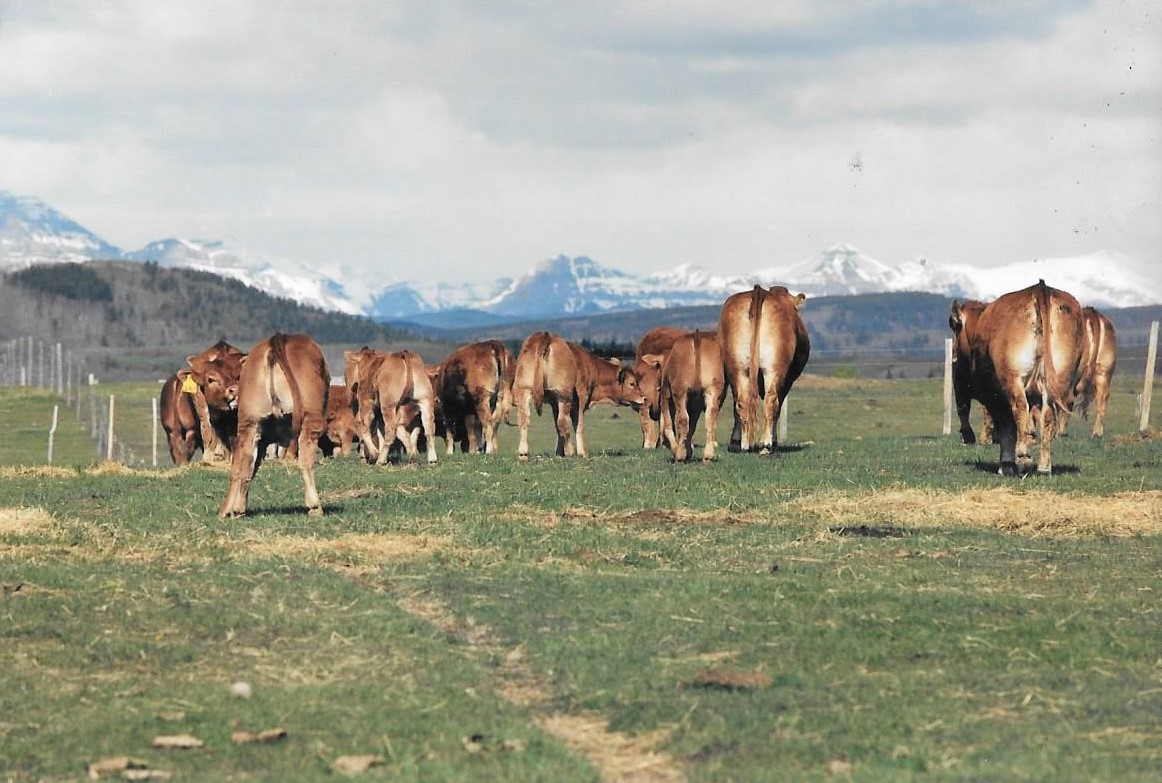
Limousin in Canada
The first Limousin bull imported to Canada was Prince Pompadour who arrived in November 1968 after a lengthy quarantine process. He was exhibited in Canada and the United States and did much to draw attention to the new breed. A second group of bulls including Decor, Diplomate, Dandy, Prairie Danseur and Prairie Pride followed in 1969.
As the first Limousin cattle arrived in North America, cattlemen interested in the breed realized the need for an organization to promote and develop the breed in the United States and Canada. At one of these meetings in the spring of 1968 at the Albany Hotel in Denver, fifteen cattlemen formed the North American Limousin Foundation (NALF).
From the initial concentrations in Oklahoma, Texas, South Dakota and western Canada, the Limousin breed has expanded across North America. The tremendous carcass traits of the breed have attracted the full attention of the entire beef industry. In addition to solid prices for breeding stock, feeders are paying a premium for percentage Limousin because of their excellent feed efficiency and packers are asking for Limousin by name.
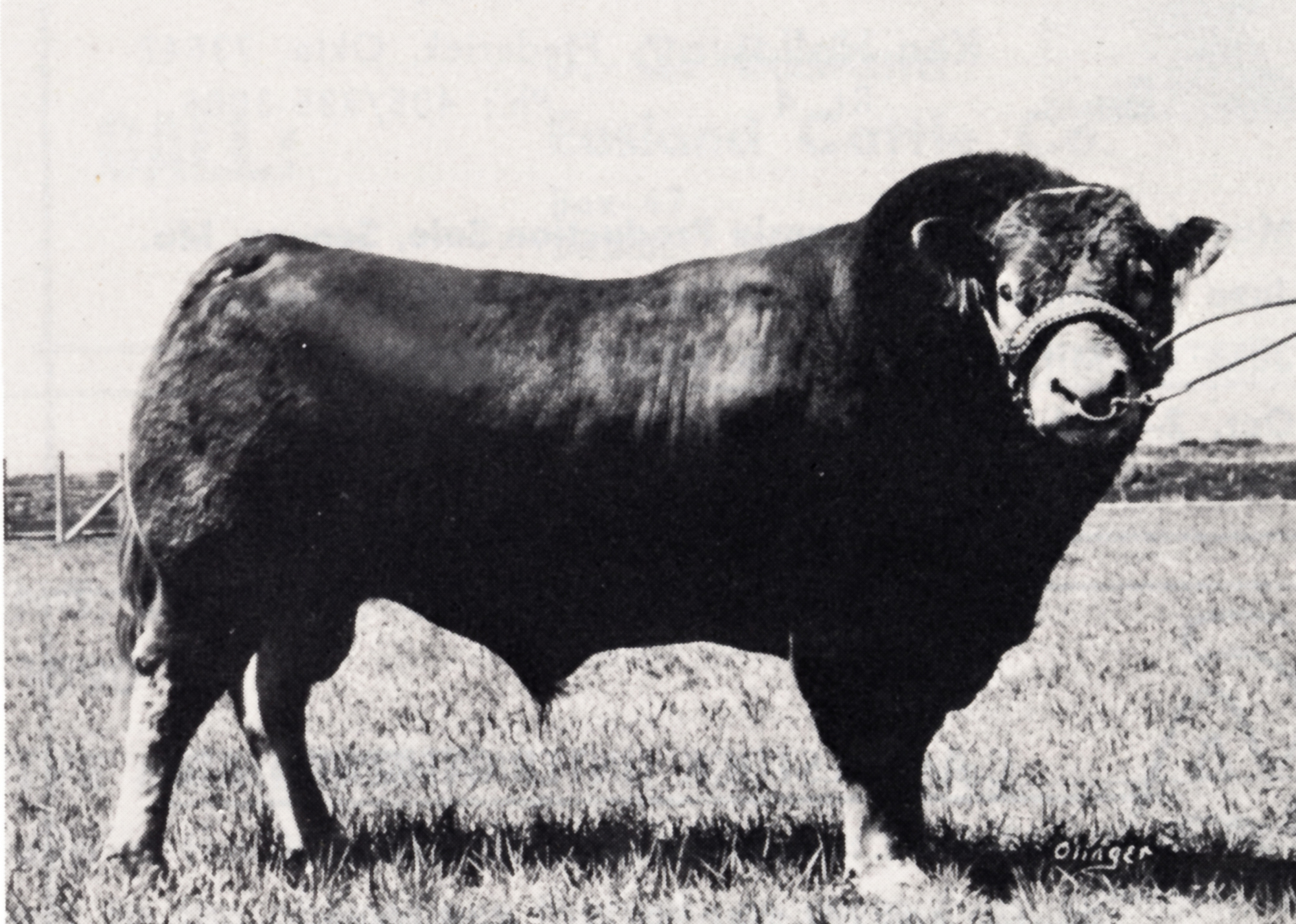
Limousin - The Carcass Breed
The popularity of the Limousin breed spread quickly when performance testing in Canada proved their worth to the industry. Many more importations followed as well as an extensive grading up program.
The early years of testing through extensive government programs re-enforced the impressive breed traits. They proved to have high fertility and the most efficient production record of all the French breeds. An easy calving record, with the smallest average birth weight of all the continental breeds, was one of the traits readily accepted, as well as outstanding mothering ability and good milk production.
From humble beginnings in France many centuries ago, these golden-red beef cattle have now achieved acceptance here in North America as a major contributor to a more efficient beef industry.
Canadian Highlights
1886
The first Limousin Herdbook is established in France.
1967
Prince Pompadour is imported to North America from France.
1969
The "D" Bulls and the Brandon 6 are imported.
1970
Inaugural meeting of the CLA held in Calgary, AB.
1972
The first Legacy Sale of the CLA is hosted in Calgary.
1974
Limousin Leader magazine begins being published by Harold Gunderson.
1974
Limoselles group is formed to promote the breed.
1976-2001
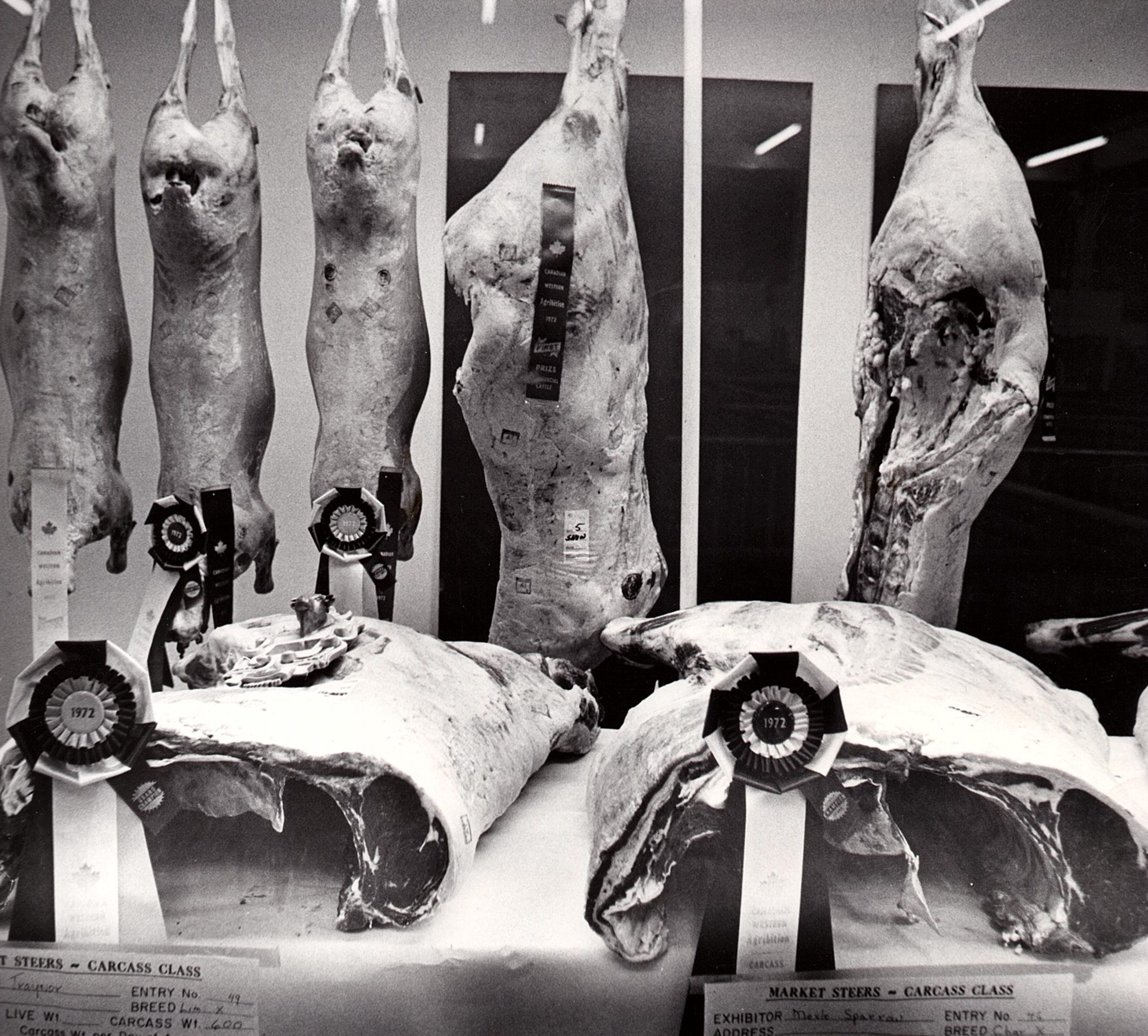
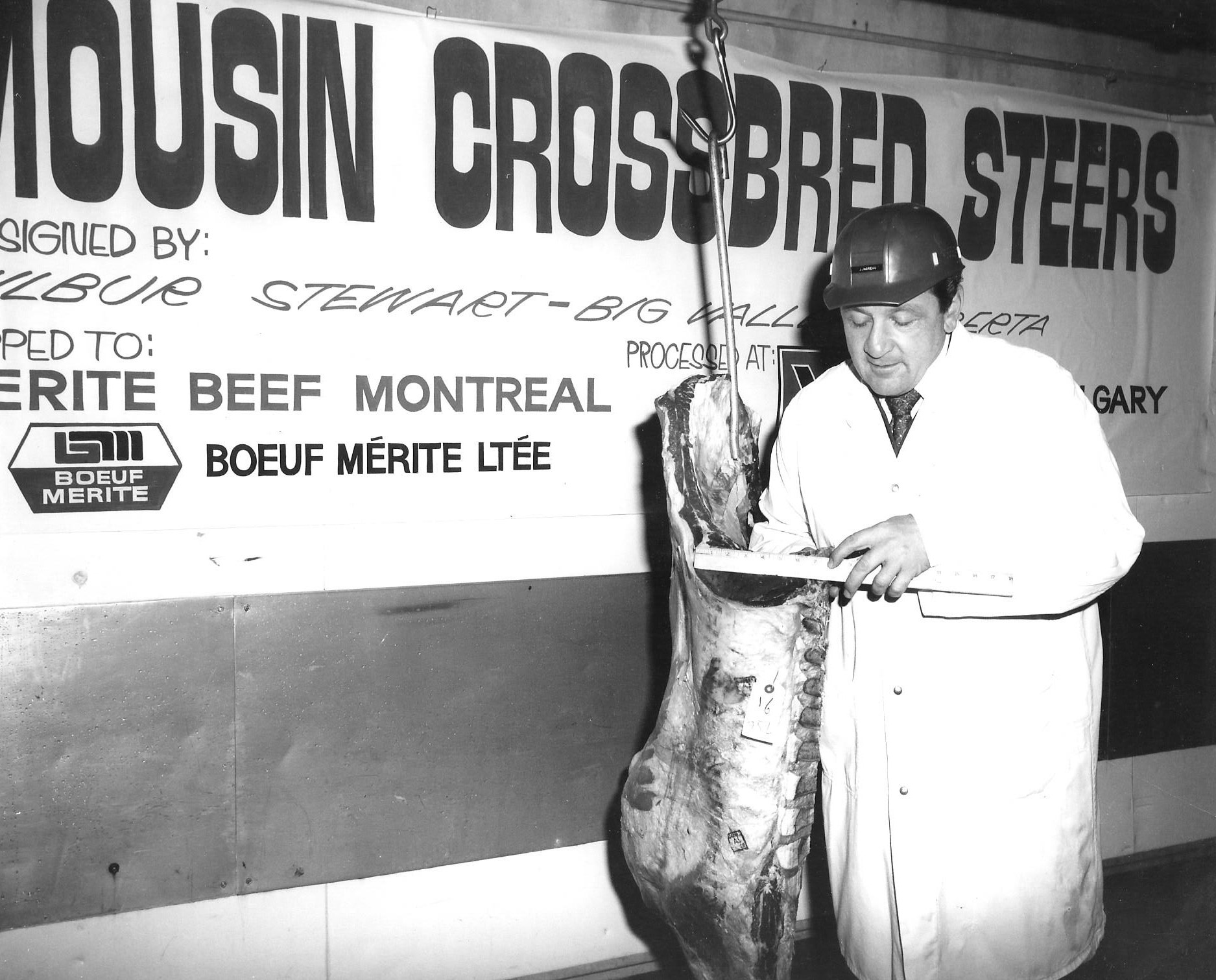
Limousin wins carcass competition at Agribition for 25 consecutive years!
1977
The first Limousin test station is established at University of Guelph.
1978
Ms Glenkair GKF 12J is the first Limousin female to visit the CN Tower!
1982
Canada hosts the International Limousin Congress.
1982-1997
National Bull Test Station operated by the Knight family at Calgary, AB.
1987
Bovine Blood Testing Lab is established to bloodtype cattle.
1989
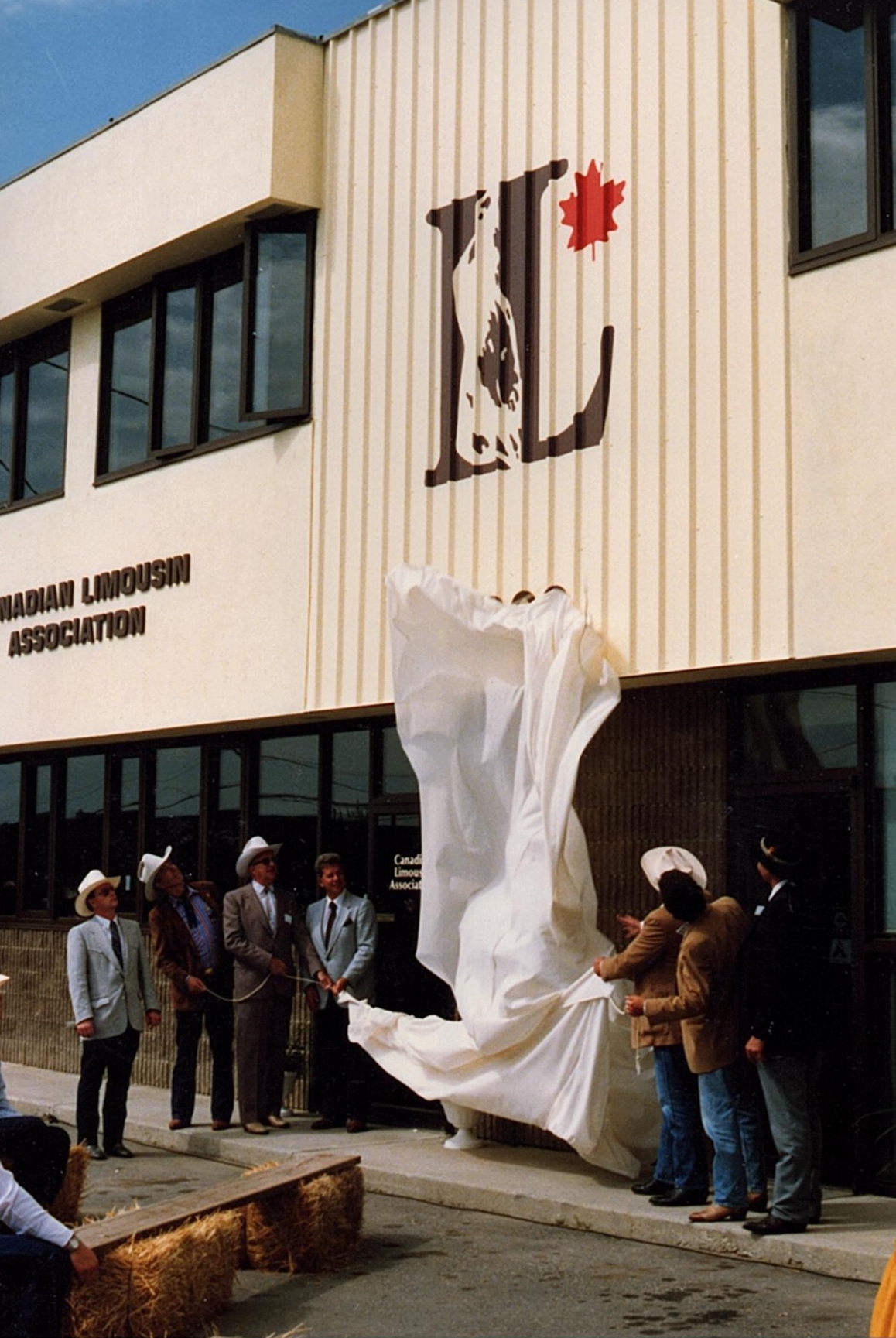
Canadian Limousin Association office is purchased.
1994
The first group of Elite Dams is recognized.
1998
International Limousin Genetic Evaluation Manual released.
1999
CLA office building is sold.
2000
Geneplan program is launched.
2001
The Limousin Voice is created.
2001
CCIA tag program begins for all beef cattle.
2002
Breed moves to DNA typing for parentage from blood typing.
2002
"Limousin Cattle in Canada... A Success Story" history book is released.
2002
Canada hosts the International Limousin Congress in Calgary, AB.
2003
National Junior Limousin Show and Canadian Junior Limousin Association are founded.
2009
40th Anniversary celebration is hosted by the Saskatchewan Limousin Association.
2011
Elite Dam and Elite Herd Programs are updated.
2015
Digital Beef registry system and Limousin tag program are introduced.
2015
A female is purchased at the Combest Limousin dispersal sale and gifted to the CJLA.
2016
Canadian Junior Limousin Association is now overseen by Coordinator Laura Ecklund.
2018
Nova Scotia hosts the largest Canadian Junior Limousin Impact Show to date.
2018-2021
CLA manages the registry of the Canadian Shorthorn Association.
2019
50th Anniversary celebration is hosted by the Ontario Limousin Association at the Royal Winter Fair.
2021
Limousin Legacy Genetic Advancement Project
2022
CLA office officially moves to Medicine Hat, AB.
2023
Canadian Junior Limousin and Junior Shorthorn partner on the Stars Leadership Conference.
2023
The 100K Jackpot Show is introduced at the Impact Show, a first of it's kind in Canada.
2023
Limousin Forward Genetic Advancement Program